Welcome! Our next session begins May 11, 2026! Enroll Now!
Apply Now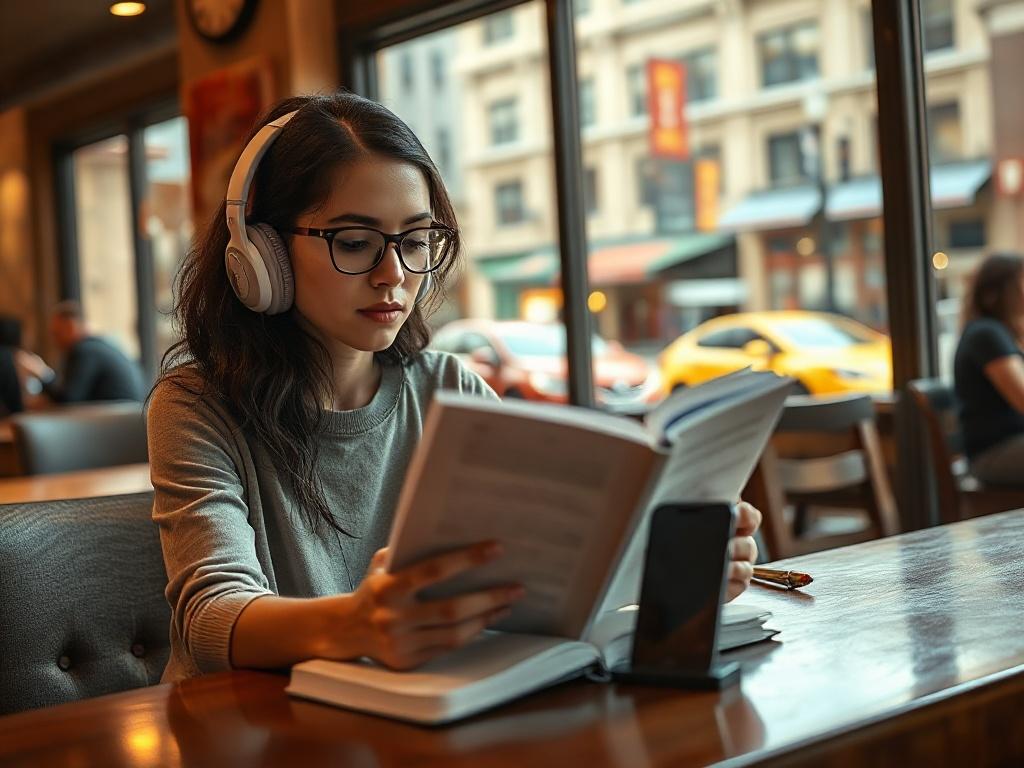
Living in the United States gives you something most English learners around the world don't have: constant access to the language in real life. Every trip to the grocery store, every conversation with a neighbor, and every television show you watch is an opportunity to improve. The key is knowing how to use those opportunities intentionally.
The biggest mistake most learners make is treating English study as something they'll get to when they have time. Fluency doesn't come from occasional effort. It comes from consistent, daily practice across all four skills: reading, writing, speaking, and listening.
You don't need hours of free time to make progress. Even fifteen to twenty minutes of focused practice each day adds up faster than you'd expect. The goal is to make English a natural part of your routine rather than something that feels like homework.
Each of the four core skills builds on the others, so making room for all of them in your daily routine gives you the most well-rounded progress.
Reading in English every day is one of the fastest ways to build vocabulary and get comfortable with sentence structure. Start with content that genuinely interests you, whether that's news, sports, cooking, or entertainment. When the material is engaging, you're more likely to stick with it.
Free resources like Google News, the BBC, and public library apps give you access to articles at a range of reading levels. If you come across a word you don't know, write it down and look it up rather than skipping past it. Those small moments of curiosity are where real vocabulary growth happens.
Writing in English every day forces you to use what you're learning in an active way. A simple journal practice works well. Try writing a few sentences each evening about what happened during your day, keeping it low-pressure and focused on expression rather than perfection.
You can also practice writing through text messages, emails, or even social media posts in English. The more you write, the more natural the grammar and sentence patterns become. Over time, you'll notice yourself thinking in English rather than translating from your first language.
Speaking is often the skill learners feel most nervous about, but it's also the one that improves fastest with regular practice. Don't wait until you feel ready, because that moment rarely comes on its own. The discomfort of speaking imperfectly is part of the process.
Look for conversation clubs in your area, many of which are free and hosted at local libraries or community centers. Language exchange apps like Tandem or HelloTalk connect you with native English speakers who want to learn your language in return. These low-stakes conversations build confidence quickly.
Improving your listening skills means surrounding yourself with natural English as much as possible. Some of the most effective daily listening tools include:
The goal with listening isn't to understand every word. It's to train your ear to recognize patterns, rhythm, and the way spoken English actually sounds in real conversation.
Language learning apps like Duolingo, Babbel, and Quizlet are useful tools for building vocabulary and reinforcing grammar concepts. They work best when they're treated as a supplement to real-world practice rather than a replacement for it. A few minutes on an app each morning can help you warm up before more immersive practice later in the day.
Google Translate and dictionary apps are also worth having on your phone, but try to use them strategically. Looking up every unfamiliar word can slow your reading flow. Instead, try to guess the meaning from context first, then verify when needed.
One of the most powerful accelerators for learning English is finding people to learn alongside. Study groups keep you accountable and give you a built-in space to practice speaking. Many cities across the United States have immigrant resource centers, cultural organizations, and English learner meetups that welcome newcomers at every level.
Your local library is a great starting point. Librarians can connect you with free ESL programs, reading groups, and community events where you'll have natural opportunities to use your English in a supportive setting.
At American English Institute, we're dedicated to helping students build real, lasting fluency through structured programs designed for everyday life in the United States. Our team works with learners at every level, from beginners finding their footing to advanced students refining their professional communication skills. We believe that learning English should feel empowering, not overwhelming. If you're ready to take the next step, connect with our team today.
Stay updated on our news and events! Sign up to receive our newsletter and tips and tricks for improving your English.